
Document management & compliance
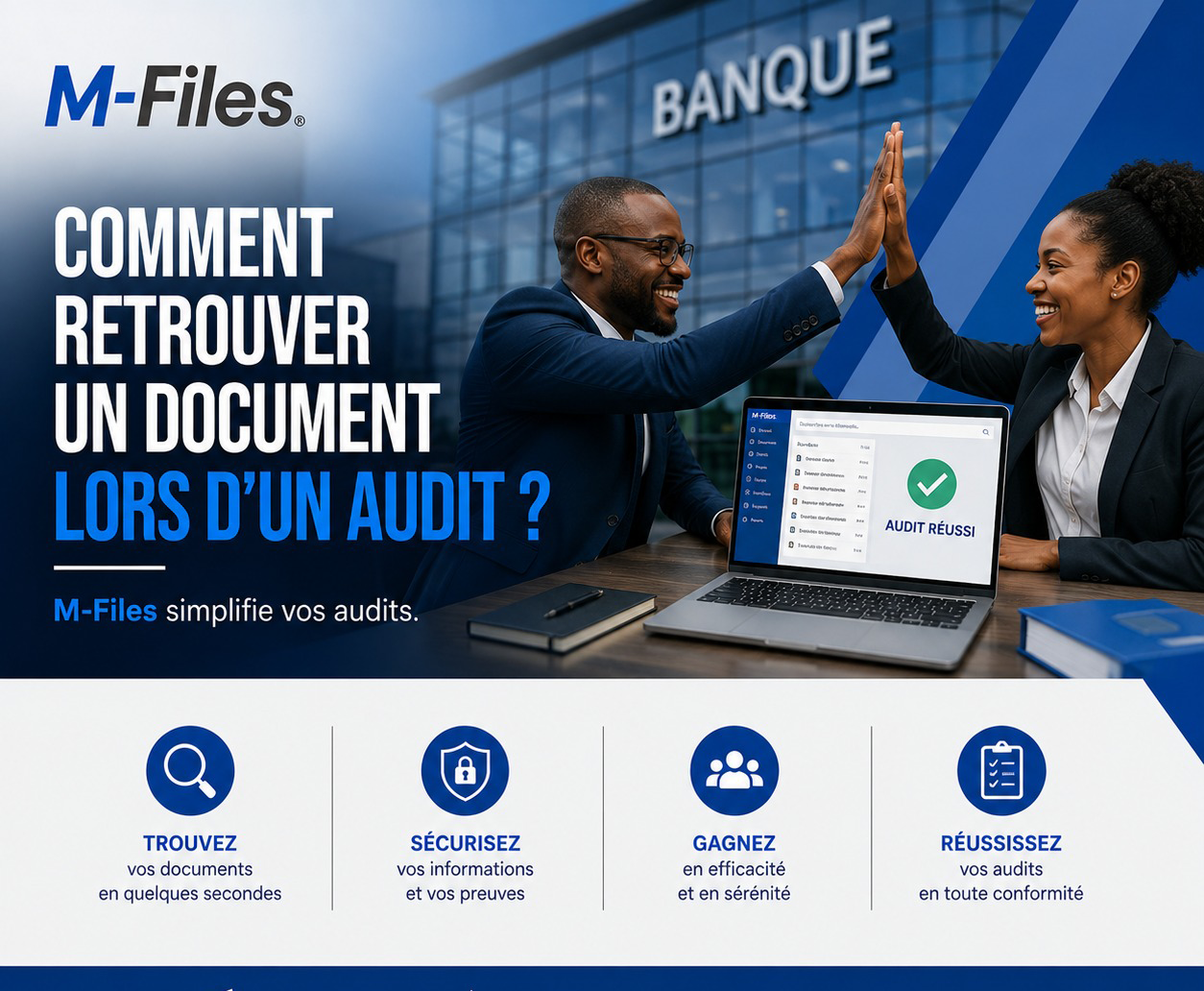
How do you find a document during an audit? The question that costs banks and insurers dearly
An examiner asks for the latest version of a client file, signed eight months ago. While the team digs through inboxes, shared folders and paper archives, the clock keeps ticking — and the first impression left on the auditor keeps getting worse.
Insights — Galaxy Conseils · 3 min read
In the banking and insurance sector, audits — regulatory, internal, or compliance-related — come around every year. Yet many institutions still manage their documents across fragmented systems: a file here on a local computer, a copy there on a shared drive, another version sent by email. The result: no one is sure who holds the reference version, and finding the right document becomes a treasure hunt.
This disorder comes at a direct cost. Time spent gathering documentary evidence during an audit is time lost on productive work. Worse, a missing document or an outdated version presented by mistake can lead to negative findings, or even sanctions.
An auditor isn't just looking for a document to exist. They want to know:
Without centralized document management, answering these questions often means manually reconstructing the trail, file by file.
A document management platform like M-Files changes the game by organizing information by what it is rather than where it was saved. A contract, a client ID document, or a compliance report is found instantly from its metadata — client, document type, date, status — with no dependency on a folder tree or on whoever filed it remembering where.
The goal isn't just to survive an audit, but to make it predictable. When every document is classified, versioned, and retrievable in a few clicks, audit preparation stops being an emergency scramble and becomes routine.
For banks and insurance companies, that's a direct gain on two fronts: less non-compliance risk, and more time reinvested in value-adding work.
Let's talk about your situation. Request a free demo and see, with your own documents, how M-Files can turn your next audit into a formality rather than an emergency.
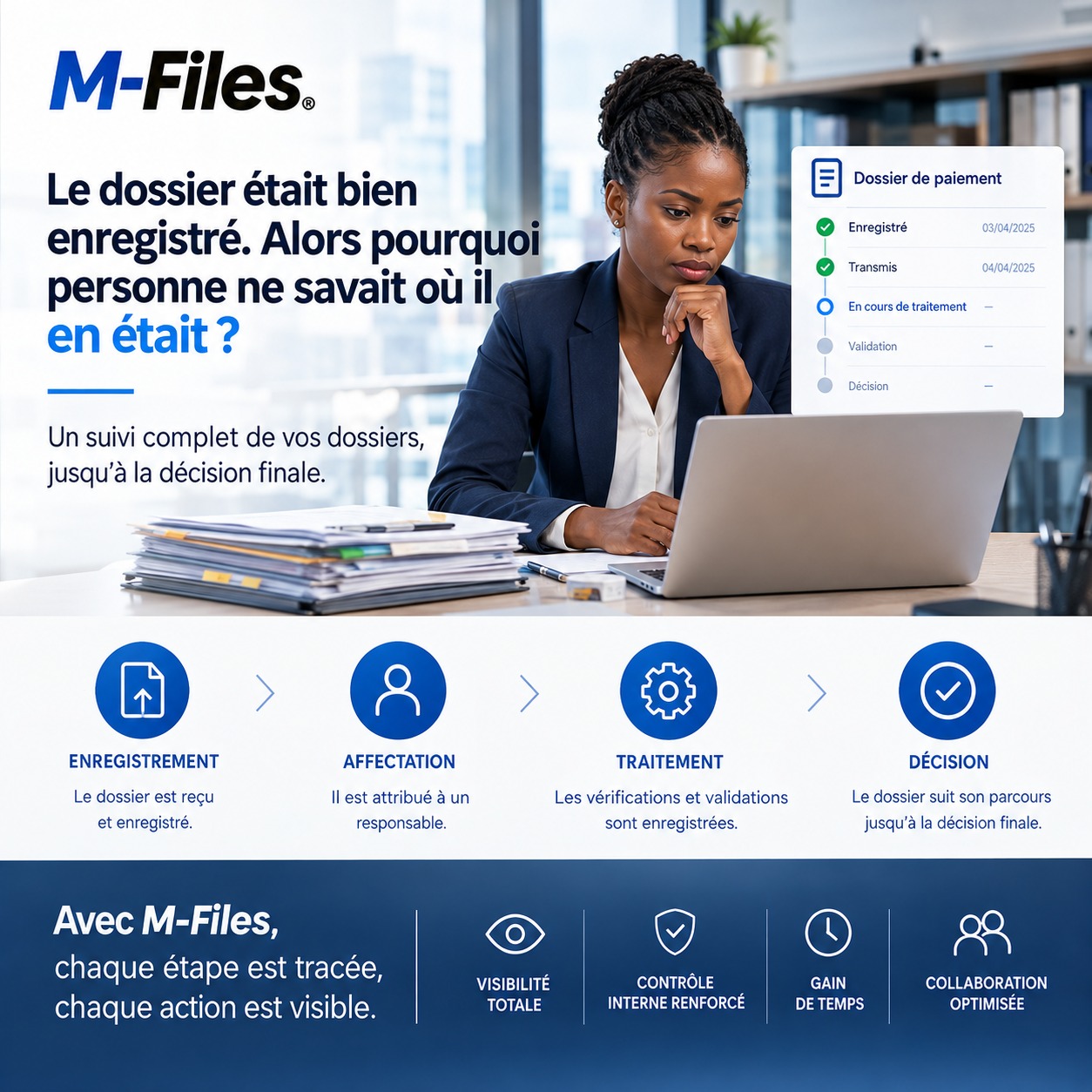
A payment file can be logged in a document management system and still stay stuck for weeks. Where is it? Has it been checked? Is a document missing? Who needs to act now? This real case shows how a public institution closed the gap between digital logging and actual processing, by tracking internal control all the way through to the final decision.
Read more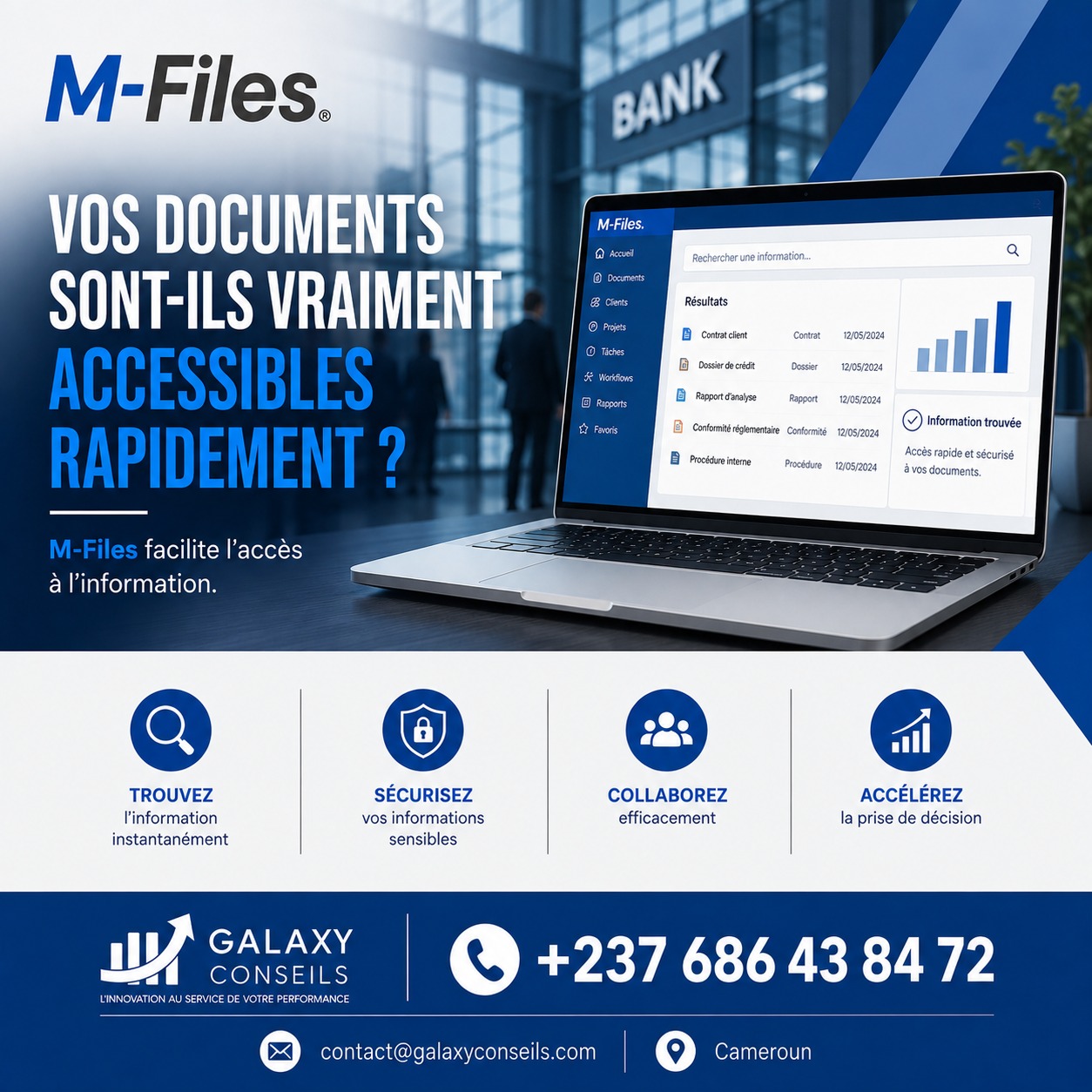
In this article : Why this problem affects everyon—even on a personal level — What it actually costs businesses in time, productivity, and efficiency — How M-Files solves it through intelligent document management — What changes once it's in place** for your teams, clients, and compliance
Read more
Contact us to learn more about our news and upcoming events.