
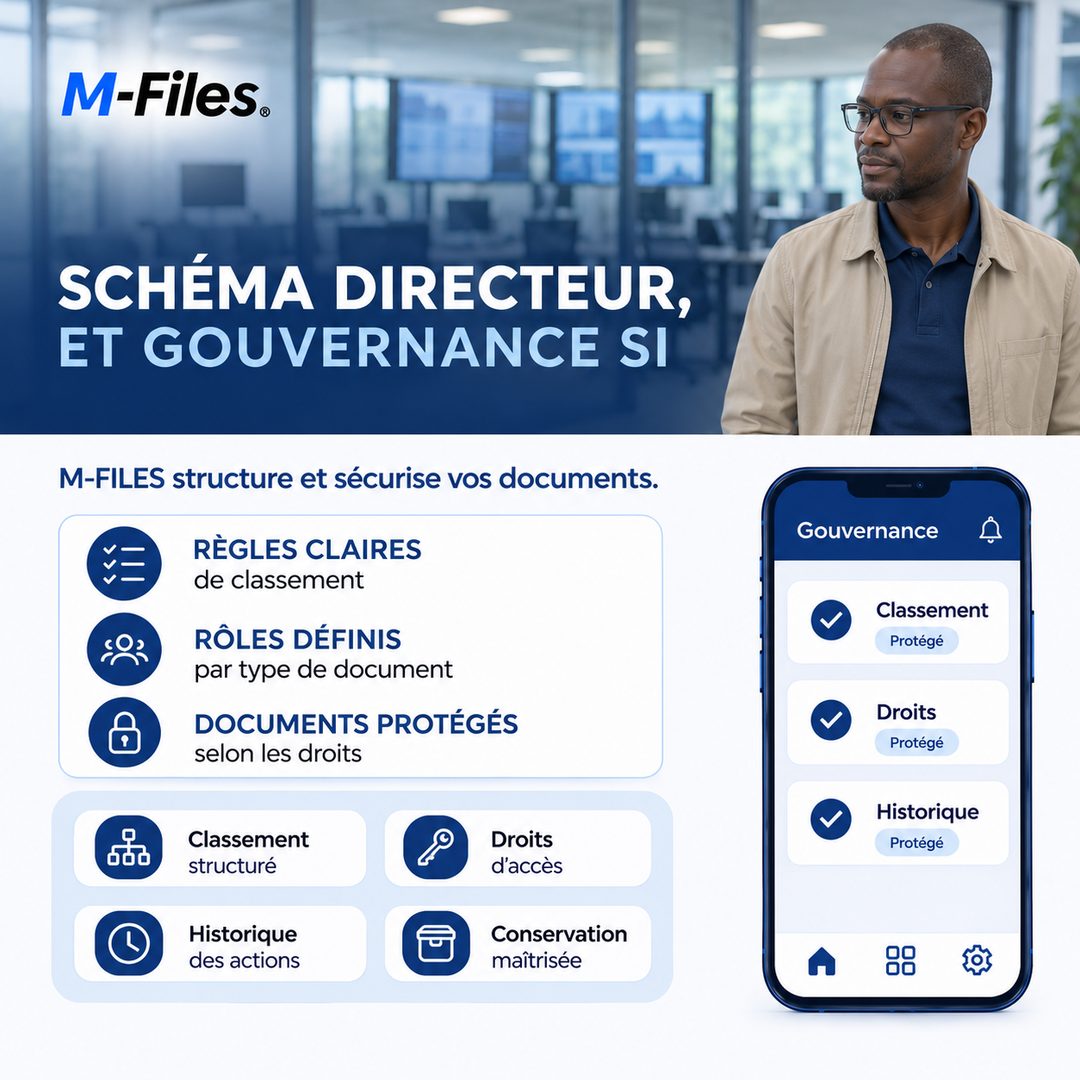
Who changed this document, and how long should it be kept? Discover how M-Files structures your documents, defines roles and keeps a history of actions.
At Alpha Company, an audit is announced. Aïcha asks Gisèle, the compliance officer, to prepare the response. Two questions are asked: who changed this contract, and when? And how long must this type of document be kept?
Gisèle searches. The contracts are in shared folders, with no record of what was changed or by whom. She rebuilds the history from old e-mails, cross-checking dates with colleagues, who do not all remember the same changes.
Retention is even worse. Some documents have been kept for years without anyone knowing why. Others were deleted during an end-of-year clean-up, with no written rule.
Gisèle does what she can. But without rules or history, compliance relies on people's memory.
Result: an audit response rebuilt by hand, with no certainty.
Information governance means deciding, for each document type, how it is filed, who can create, approve or view it, and how long it is kept. These rules are then applied by the tool, which keeps a record of every action.
Let's replay Gisèle's story, with M-Files and support from Galaxy Conseils.
Gisèle answers the audit by checking the contract's history, instead of cross-checking e-mails.
M-Files keeps the versions of a document and records how it changes. The history travels with the document itself, not with the folder it sits in or someone's inbox.
For existing documents, some migration work should be planned: the history does not go back before implementation. We do not promise automatic compliance, which remains your responsibility.
Finally, roles and rights are prepared with your IT department and tested before go-live. No timeline or figures are set in advance.
If an audit asked you tomorrow who changed a contract and when, could you answer without cross-checking e-mails?
If the answer is no, your governance still relies on people's memory.
We help banks and businesses structure and secure their documents with M-Files, from filing rules to retention.
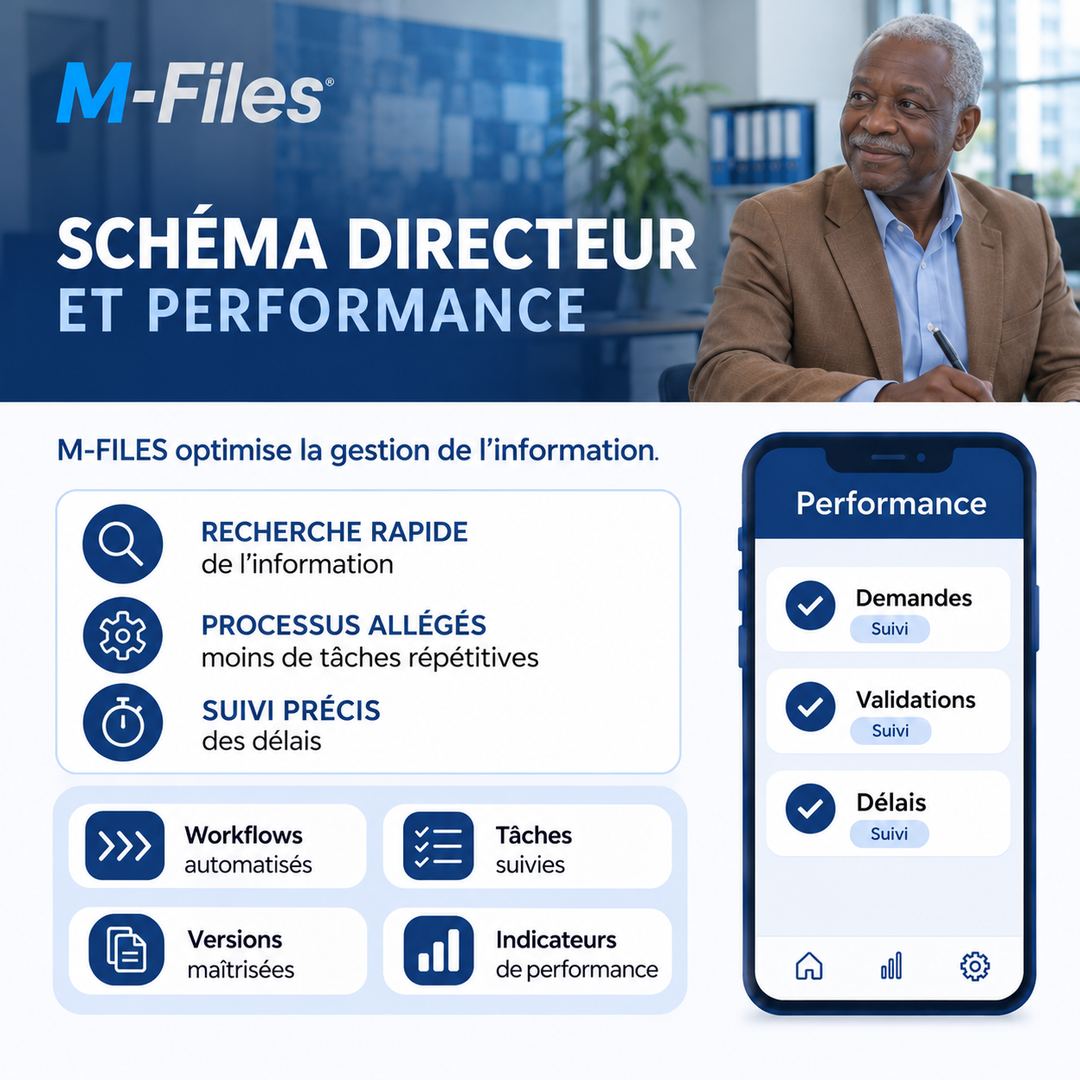
Where is this request, and who has it? Discover how M-Files streamlines processes, tracks deadlines and makes delays visible with workflows. Read more
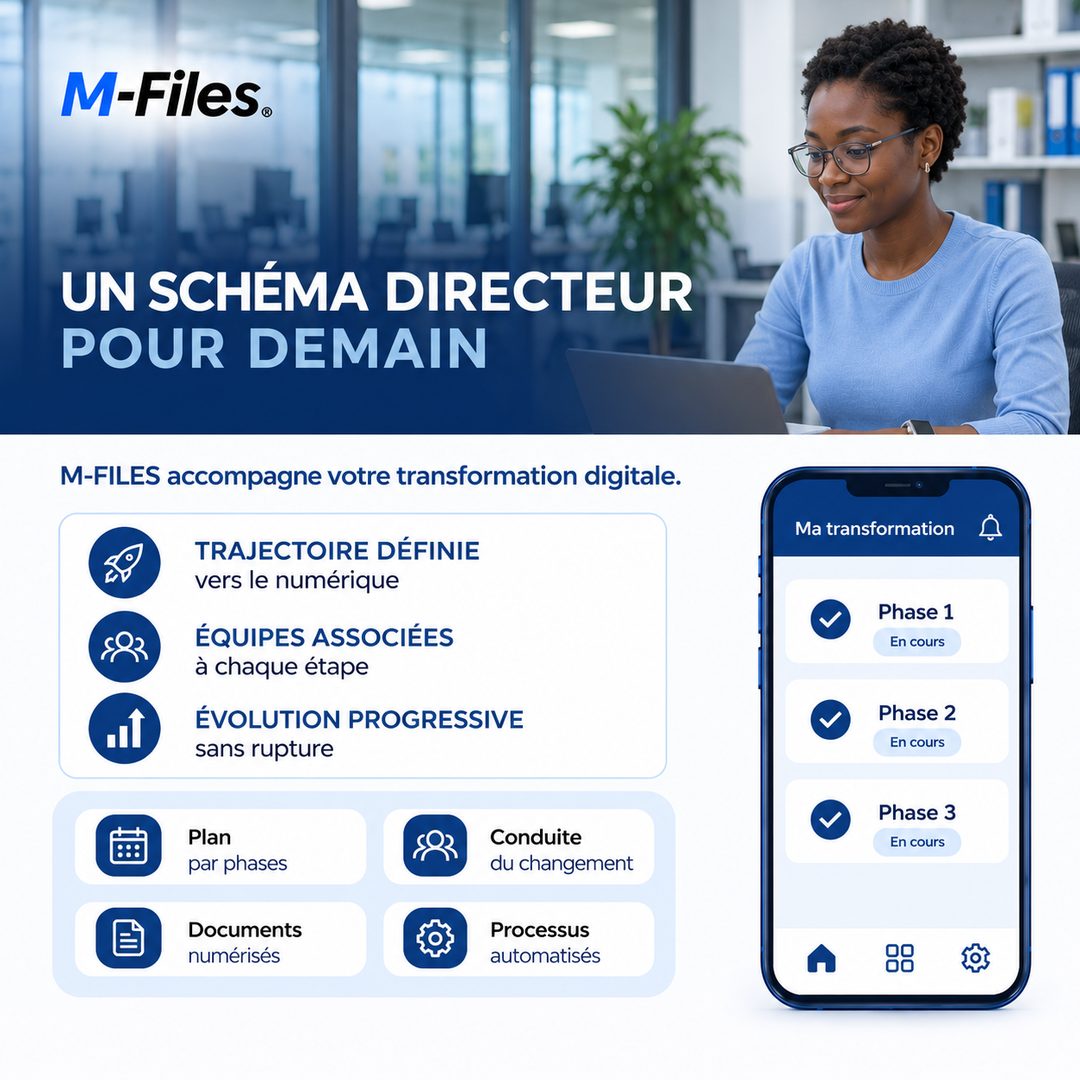
A well-designed plan, but teams who know nothing about it. Discover how to move forward in phases, involve everyone at every step and evolve without disruption with M-Files. Read more
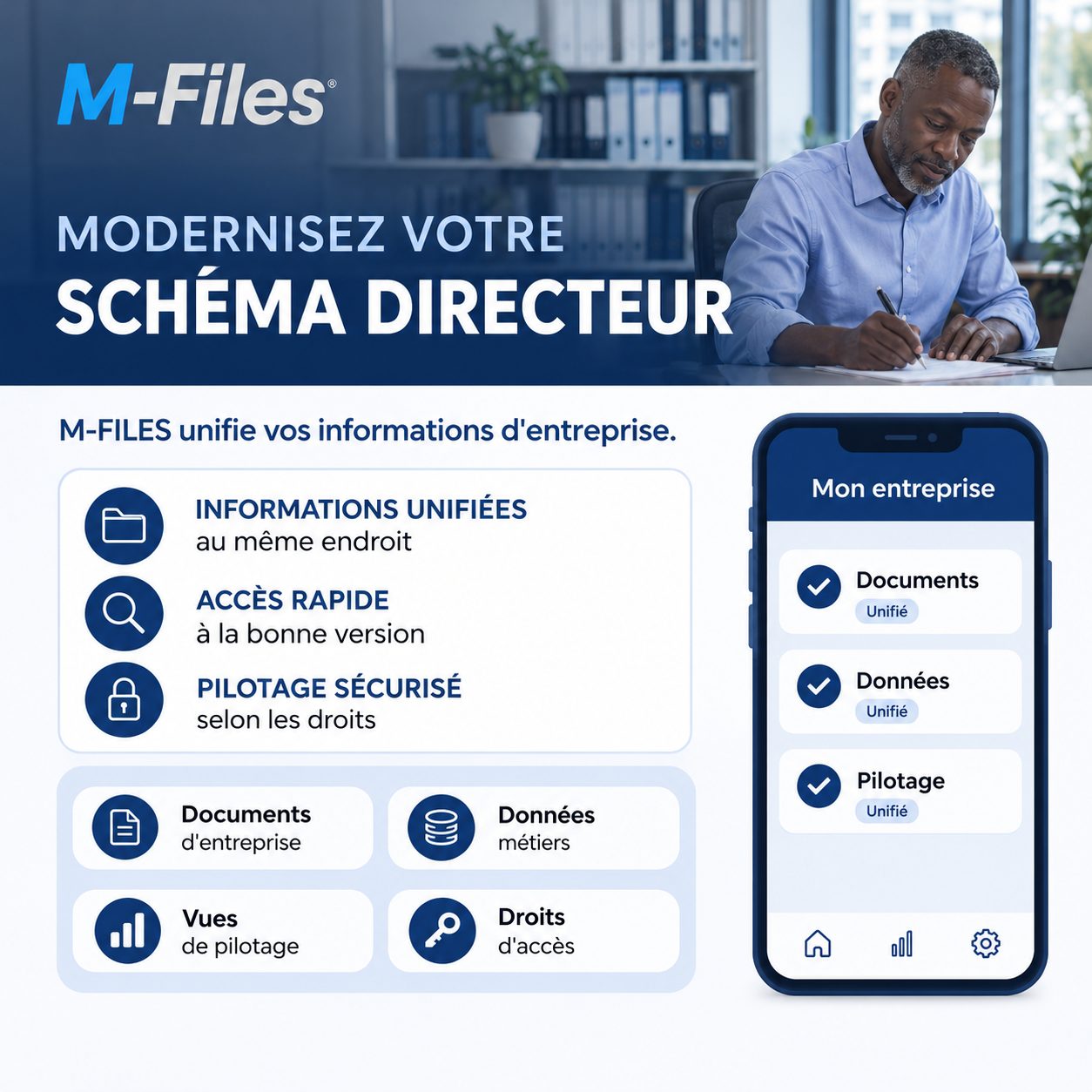
A senior manager wants an overview without exposing sensitive documents. Discover how M-Files unifies your information and secures oversight according to access rights. Read more
Contact us to learn more about our news and upcoming events.
Our offers, news and document management tips, straight to your inbox. One e-mail a month at most.
Unsubscribe in one click at any time. Privacy policy
Check your inbox
We've sent you a confirmation link. Click it to complete your sign-up.
Comments
No comments yet. Be the first to react!