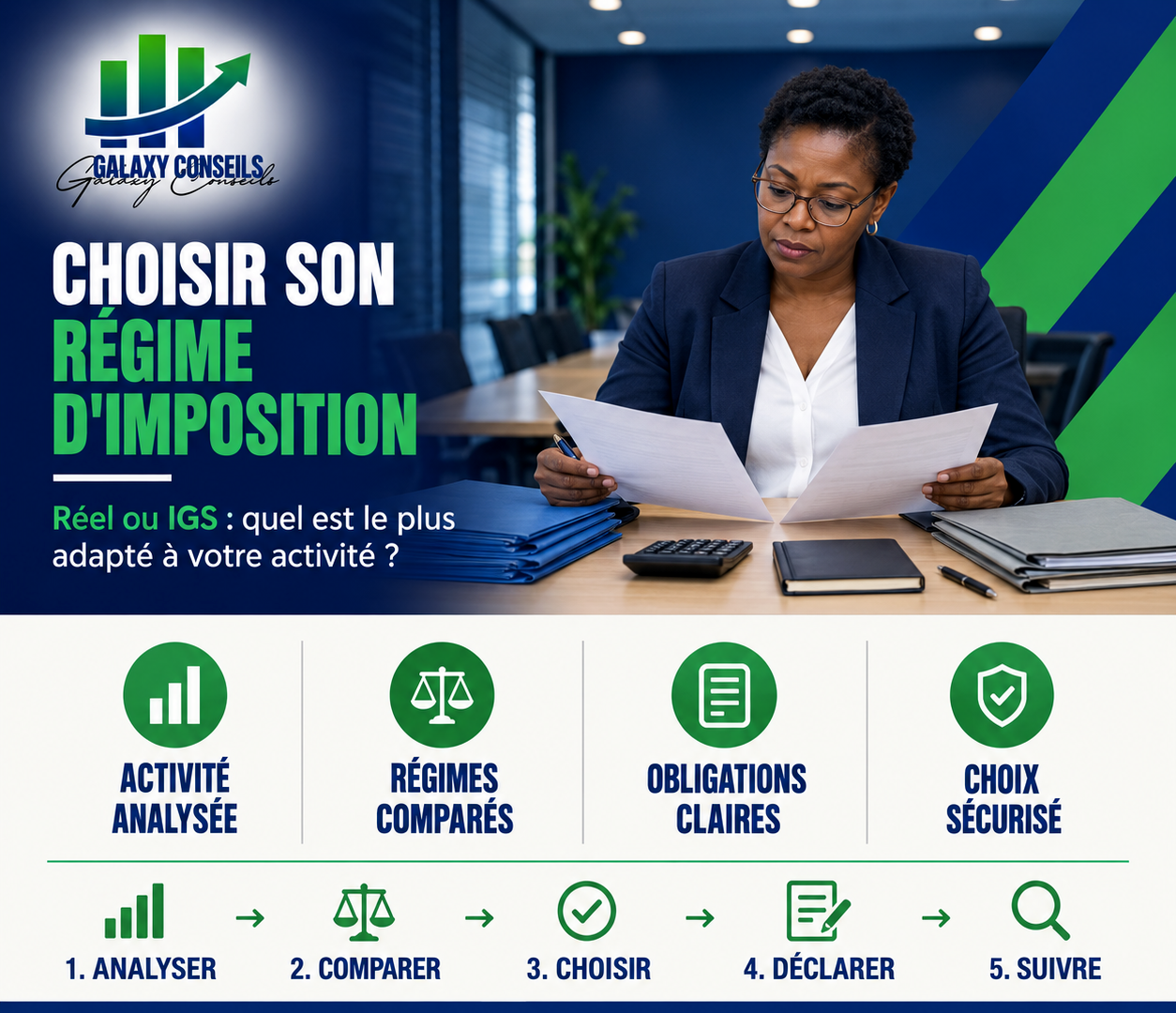
CHOOSING YOUR TAX REGIME: ACTUAL EARNINGS OR IGS?
Actual earnings or simplified flat tax (IGS): which tax regime fits your business in Cameroon? Thresholds, obligations, advantages and pitfalls: the steps to make the right choice.
Galaxy Conseils • Tax & accounting support for businesses
When Aïcha founded Société Alpha, everything was simple. A small business selling and installing equipment, a handful of clients, modest revenue. Her company fell under the simplified flat tax, the IGS: a single tax, paid every quarter, with few formalities.
Then the company grew. New clients, contracts with banks, a growing team. Revenue crossed a threshold. But Aïcha, absorbed in her company's growth, didn't change her tax habits: she kept paying the IGS as before.
One day, a major client asks her for invoices with VAT, as her other suppliers do. Aïcha wonders and checks. The answer comes back: since crossing the threshold, her company should have switched to the actual-earnings regime. VAT, full accounting, monthly filings: everything had to be put in place, with back payments to settle.
Aïcha had hidden nothing. She had simply not noticed that her company had moved into a different category. And what could have been a prepared transition became an urgent correction.
In Cameroon, not every business is taxed the same way. The regime depends mainly on annual revenue excluding tax.
The simplified flat tax (IGS). It applies to small businesses whose annual revenue does not exceed 50 million FCFA. It replaces several taxes with a single tax, set according to revenue brackets and paid quarterly. Obligations are lighter: the business doesn't collect VAT and keeps simplified accounts.
The actual-earnings regime. It applies beyond that threshold. The business is taxed on its actual profit, collects and remits VAT, files monthly returns and an annual statistical and tax return (DSF), and keeps full accounts compliant with the revised SYSCOHADA standard.
Neither regime is "better" than the other: each fits a size and a way of operating. What matters is being under the right regime, at the right time, and meeting its obligations.
Revenue not monitored — the threshold is crossed without anyone noticing.
Old habits kept after a regime change — still paying the IGS while the business now falls under actual earnings, or the reverse.
Underestimated obligations under actual earnings — VAT, monthly filings, full accounting, DSF: it all needs organizing before switching.
A choice made without comparing — not measuring the regime's impact on pricing, cash flow, and relationships with clients who reclaim VAT.
1. Analyze. Take stock of the business: current and projected revenue, type of clients (individuals or businesses), level of expenses, growth plans.
2. Compare. For each regime, measure the estimated tax amount, the filing obligations, the effect of VAT on prices, and the administrative burden.
3. Choose. Settle on the applicable regime, and the most suitable one where the law leaves room for choice, anticipating the company's growth.
4. File. Set up the corresponding filings and payments, on time: quarterly for the IGS, monthly and annual for actual earnings.
5. Monitor. Regularly track revenue and changes in finance laws, to switch regimes at the right time.
Let's replay Aïcha's story, this time with support. Every quarter, her advisor reviews her revenue with her. When growth accelerates, he alerts her: the threshold will be crossed within the year. Together, they prepare the switch to actual earnings: setting up full accounting, adapting invoices to include VAT, a calendar for the new filings.
The day her major client asks for invoices with VAT, Aïcha is ready. Her switch to actual earnings happened without any back payments, penalties, or stress. And her growth stayed good news.
A business that's been analyzed. Your revenue, clients and plans are reviewed to determine the regime that applies to you.
Regimes compared. You know the concrete impact of each regime on your taxes, your prices and your organization.
Clear obligations. You know what to file, when, and how, with no bad surprises.
A secure choice. Your regime is compliant with the law today, and planned ahead for tomorrow.
Ask yourself:
"Is my business under the right tax regime today, and will it still be if my revenue grows this year?"
If you're not sure of the answer, now is the right time to check.
At Galaxy Conseils, we help businesses in Cameroon choose their tax regime, prepare regime changes, and meet their tax obligations throughout the year. Wondering which regime fits your business?
Galaxy Conseils: innovation serving your performance.
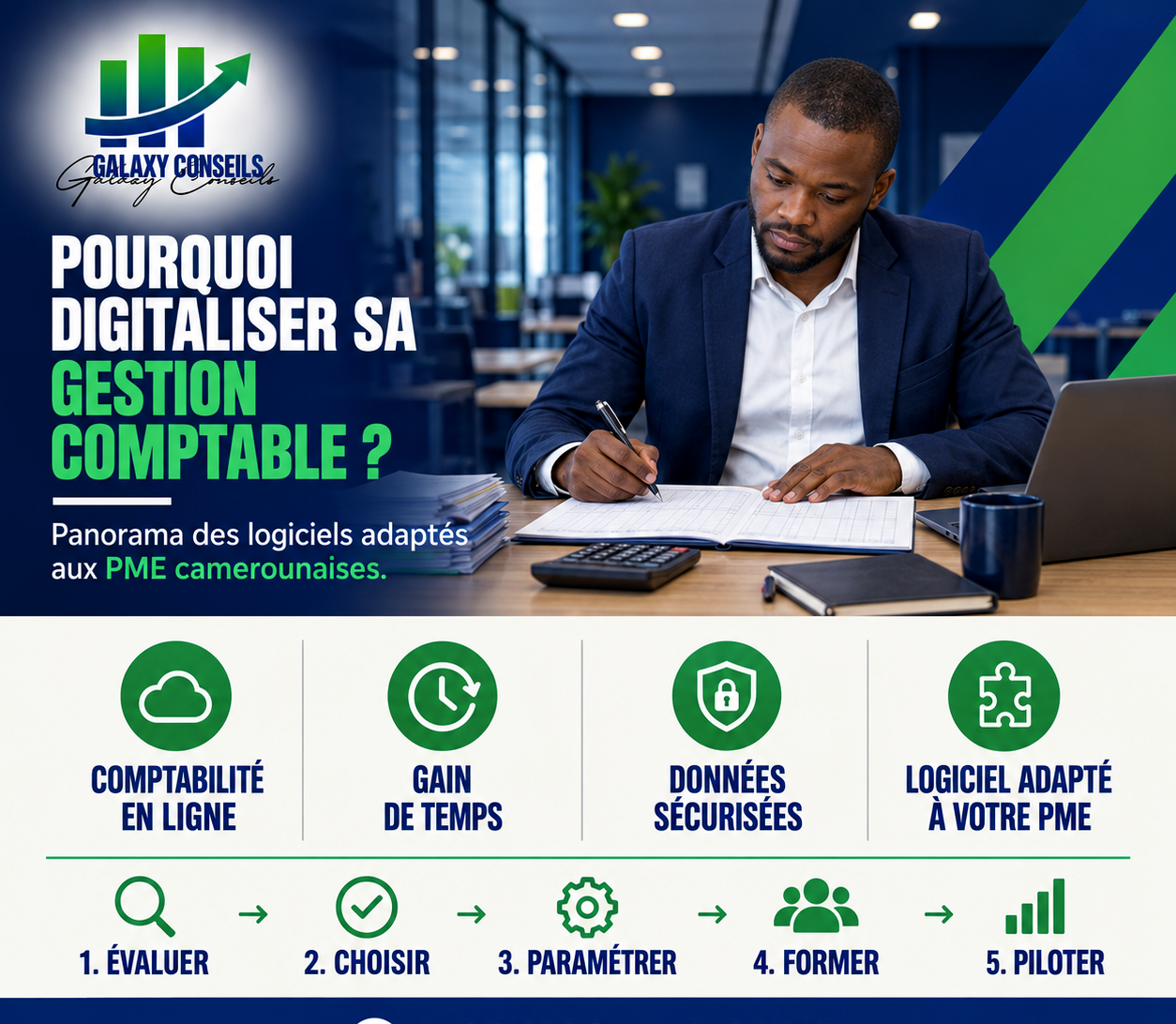
Why digitize your accounting management? Online accounting, time savings, secure data: an overview of the software types suited to Cameroonian SMEs and criteria to choose well.
Read more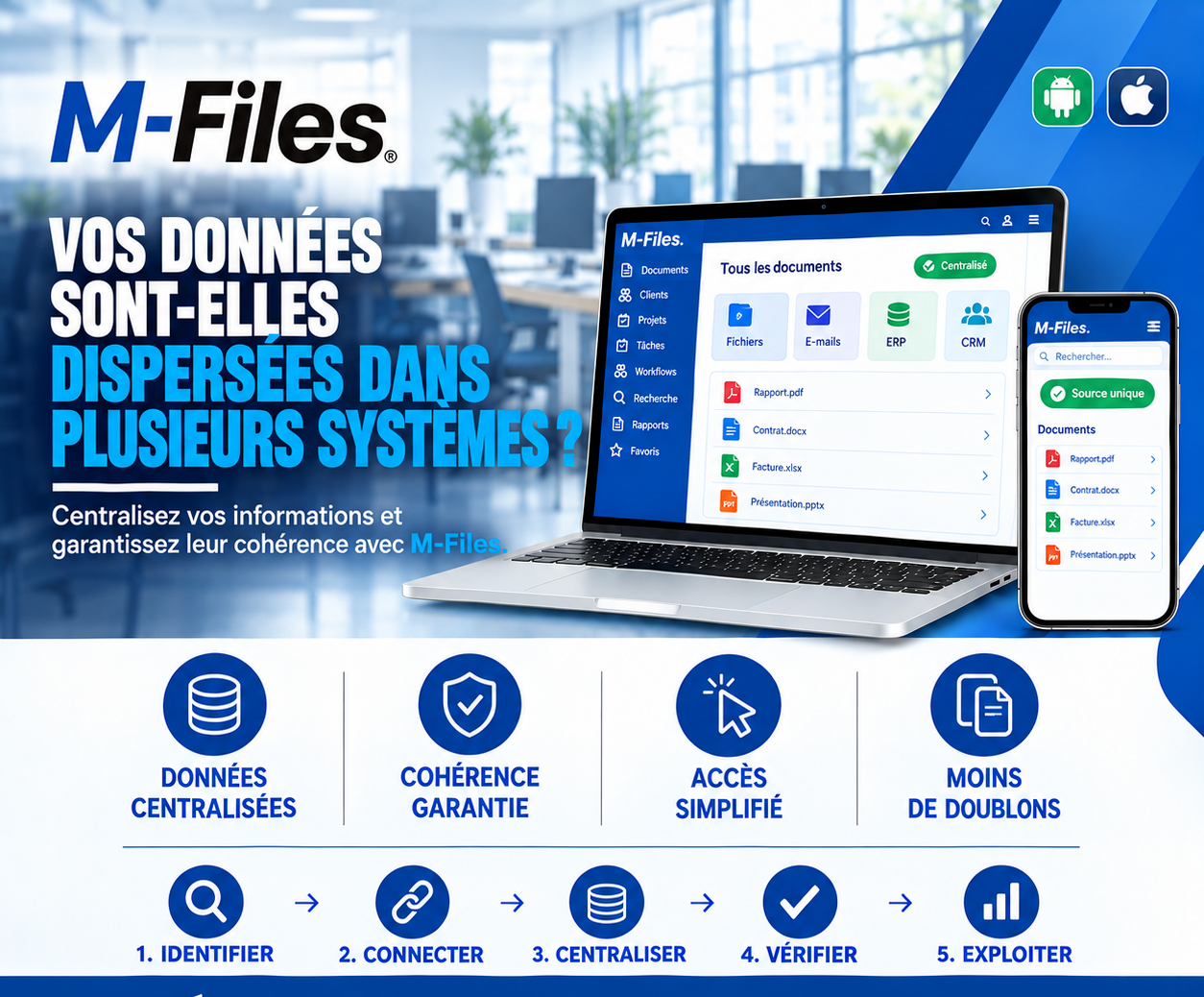
Is your data scattered across multiple systems? Files, emails, banking software, CRM: see how M-Files centralizes information and guarantees its consistency.
Read more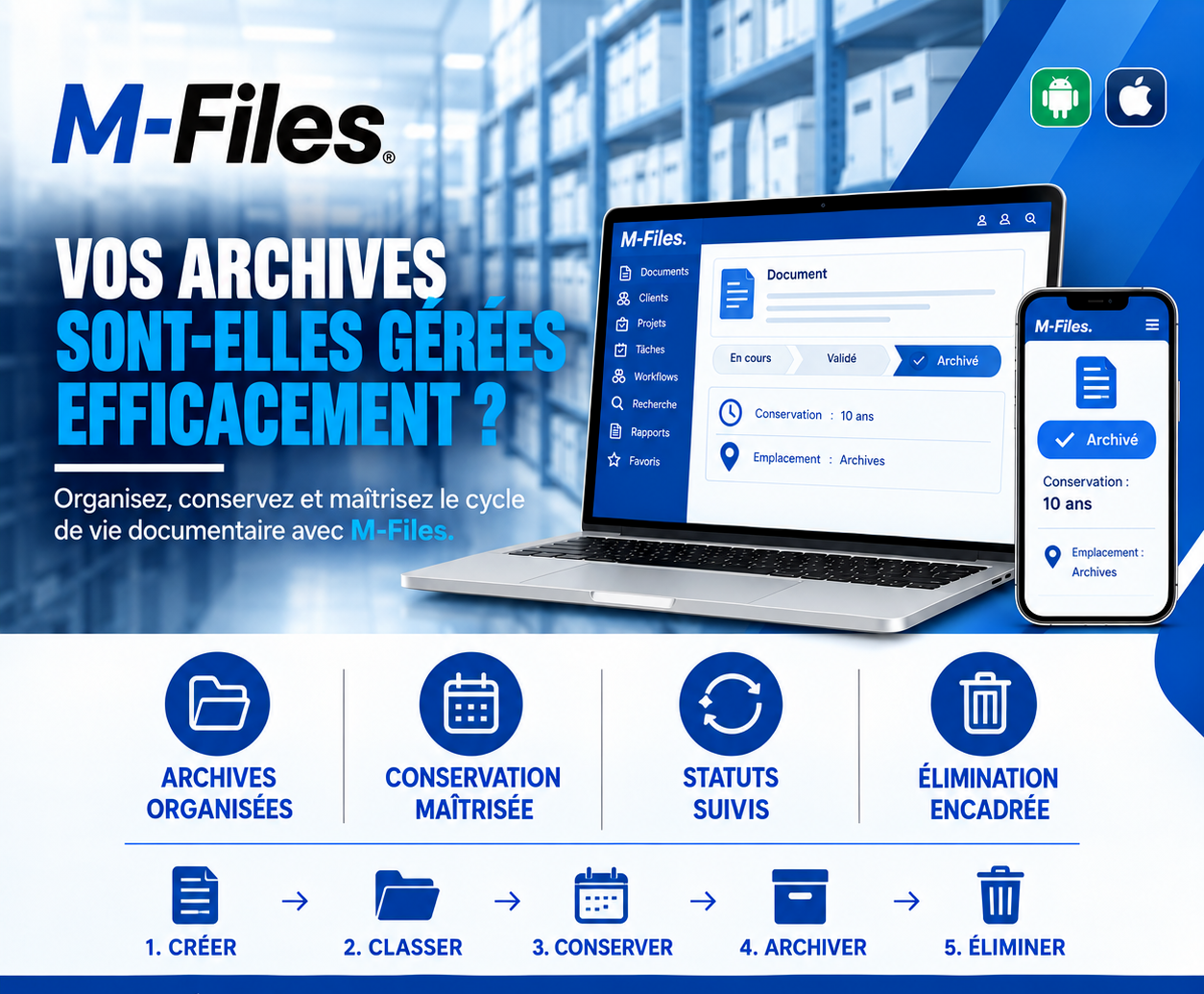
Are your archives managed efficiently? Organized archives, controlled retention, tracked statuses, supervised disposal: see how M-Files manages your documents' lifecycle.
Read moreContact us to learn more about our news and upcoming events.
Our offers, news and document management tips, straight to your inbox. One e-mail a month at most.
Unsubscribe in one click at any time. Privacy policy
Check your inbox
We've sent you a confirmation link. Click it to complete your sign-up.
Comments
No comments yet. Be the first to react!